Project Description
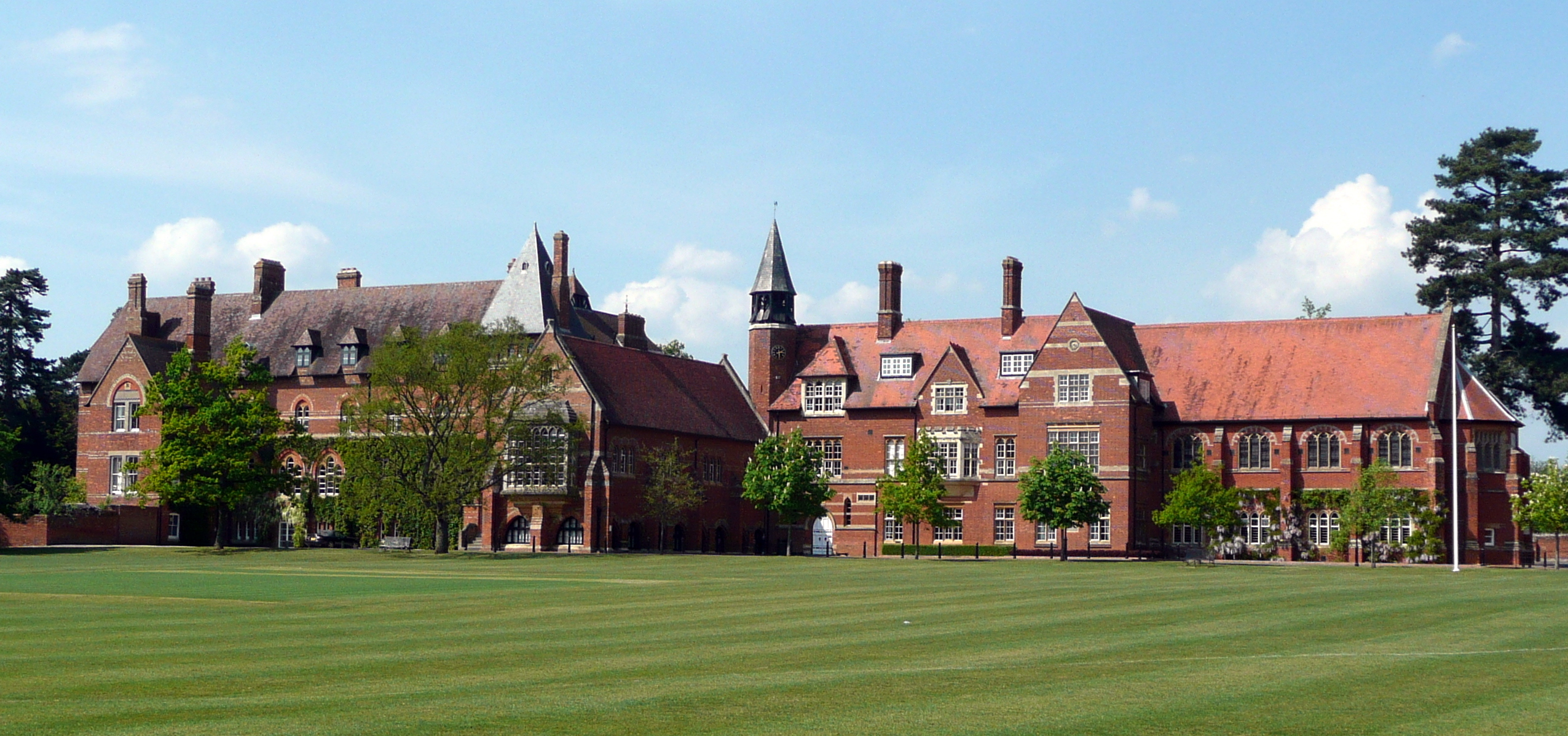
Refurbishment of historic school building. Abingdon School House
This project involved the refurbishment of Abingdon School’s boarding house, a complex historic building comprising three distinct phases of development dating from the 1870s, 1930s, and 1960s.
The school’s primary objectives were to improve the ease of access between the different parts of the building, improve fire safety throughout, and upgrade the student’s bedrooms.
SWJ Consulting was asked to design alterations to a historic turret, or folly, located at the rear of the original building. The school wanted to either remove or open this structure to create unimpeded access for the students between the 1860s and 1930s sections of the boarding house.
Structural Engineering Designs Without Existing Drawings
As is common with historic buildings, which have been adapted over time, the initial challenge of the project was the lack of any drawings from any of the development phases. Without reliable drawings, the only way to fully understand how the buildings had been constructed was through site investigations and opening-up works. Floorboards were lifted, ceiling tiles removed to inspect the voids and structural elements measured to verify the accuracy of a relatively recent survey.
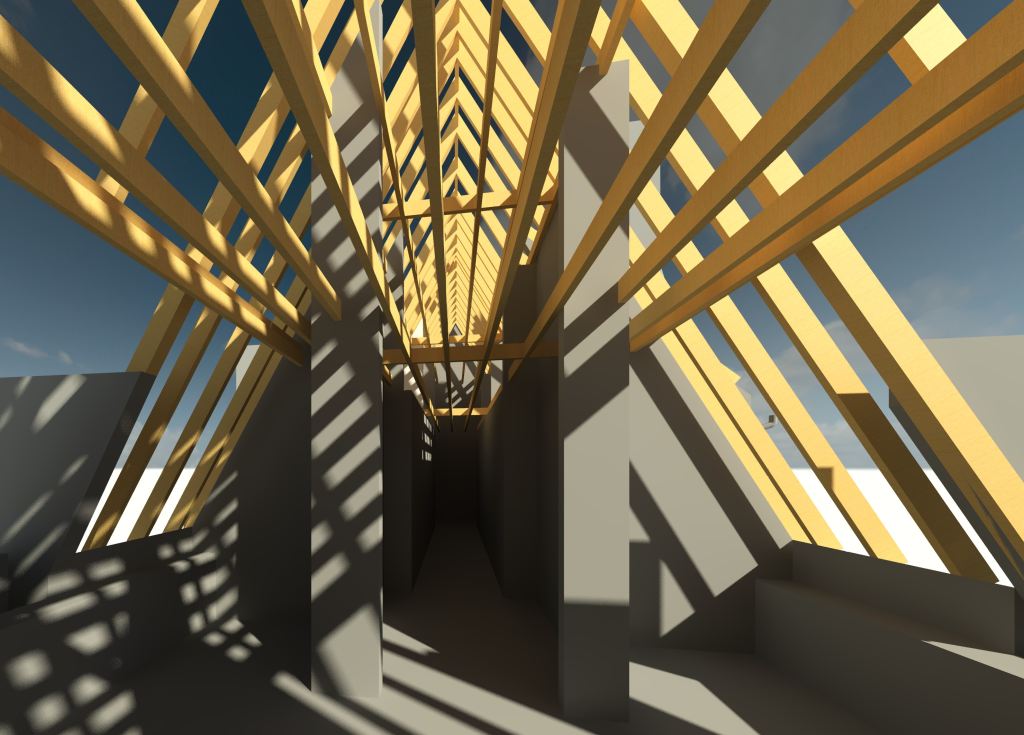
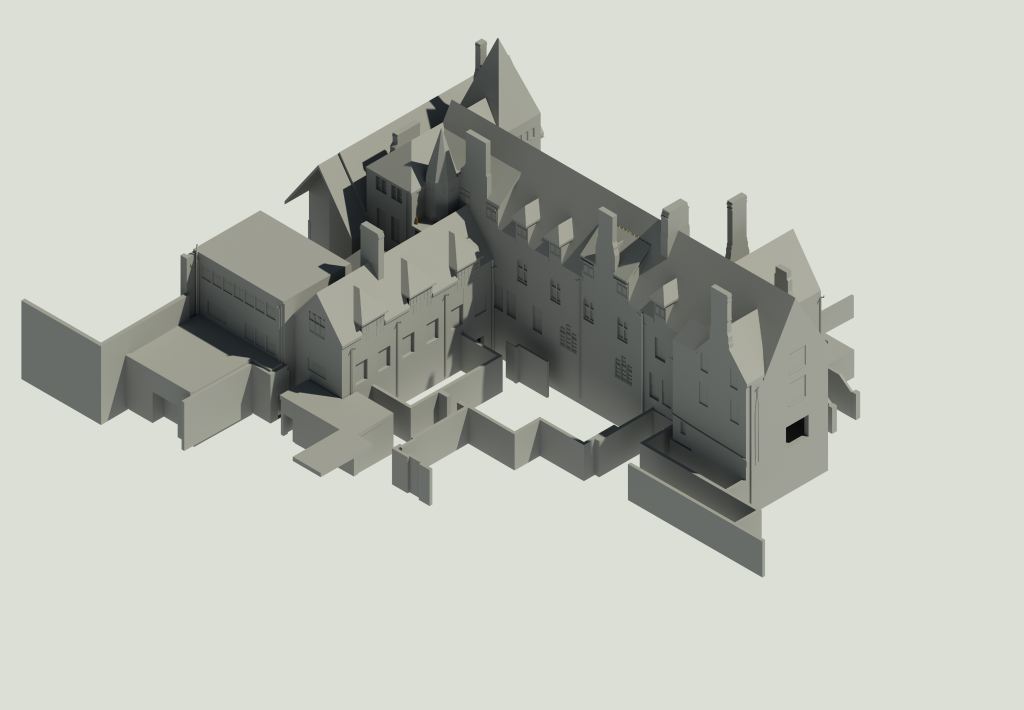
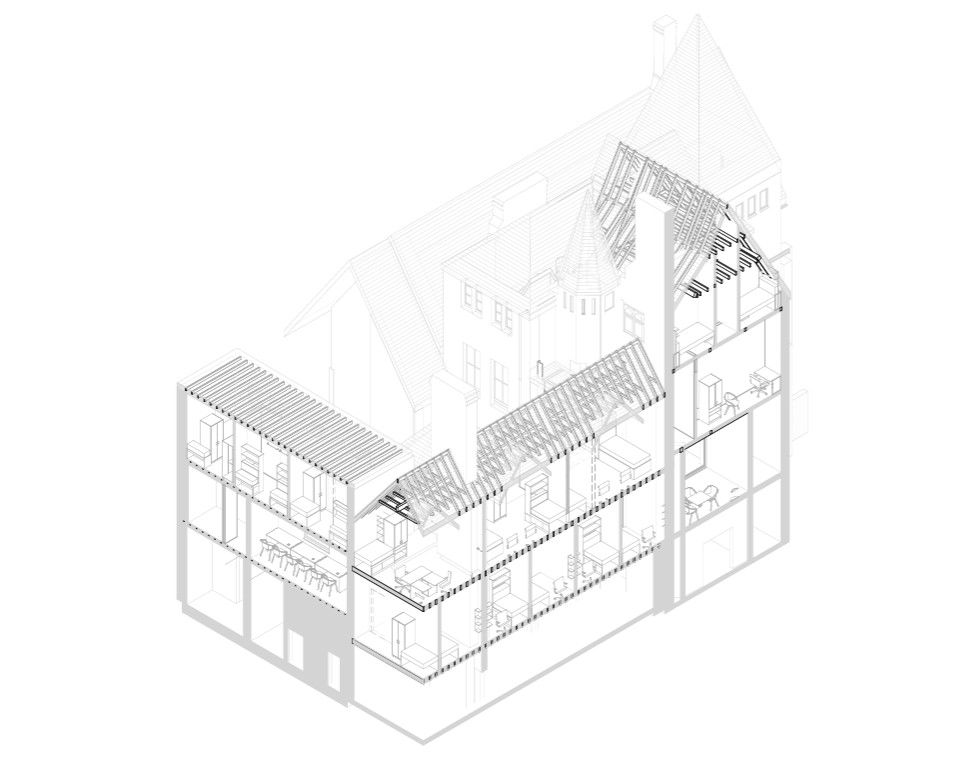
Using this information, we were able to create an as-built Revit model of the existing structure to inform the proposed alterations and coordinate the wider design team.
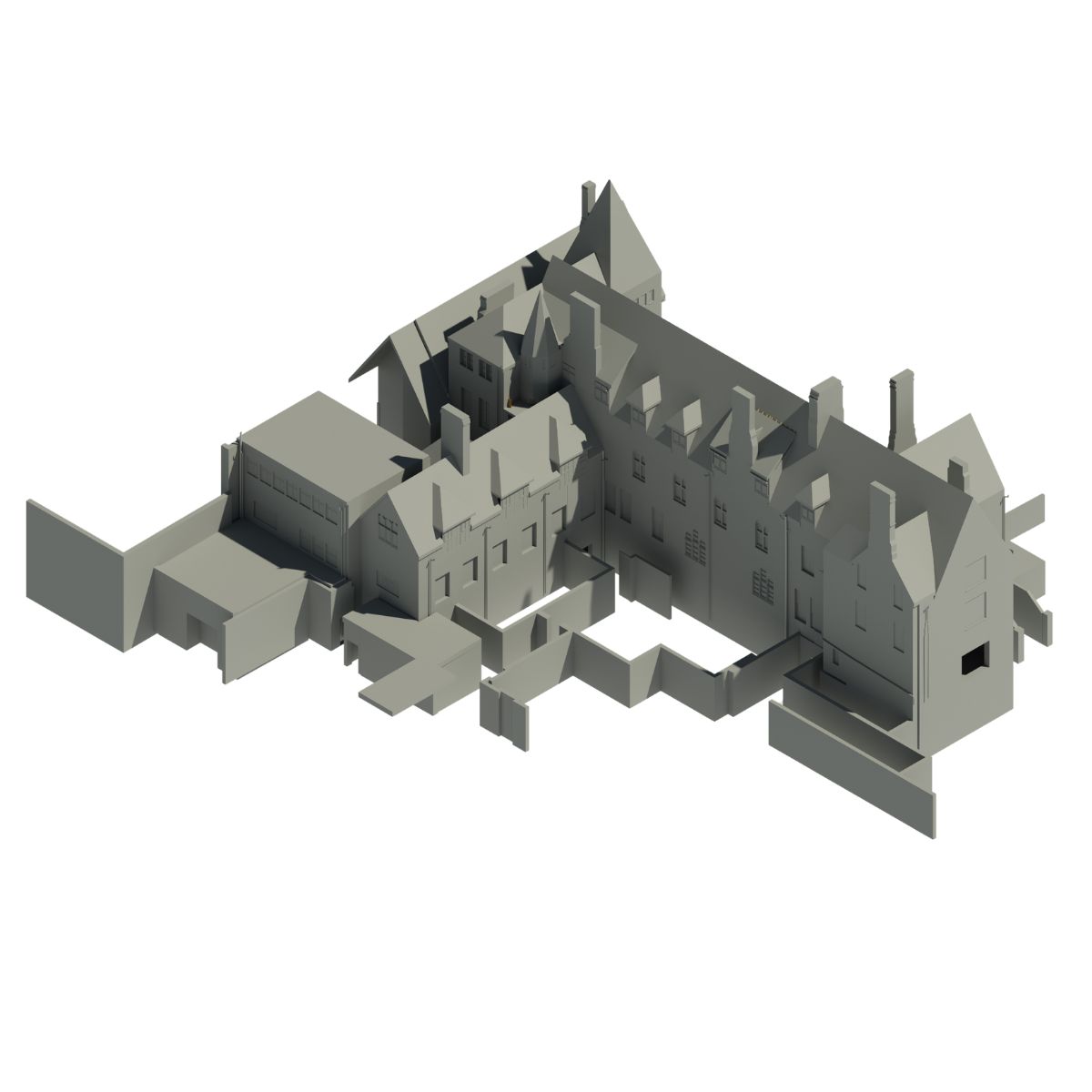
Fully coordinated BIM model
Working collaboratively with TSH Architects and Etch Associates, the M&E consultants, SWJ Consulting produced a fully coordinated 3D Revit environment in accordance with the project’s BIM Execution Plan.
Developing a coordinated model provided several important benefits throughout the project:
- Improved understanding of the complex historic structure
- Early identification of clashes between structural, architectural, and M&E elements
- Reduced construction risk and unforeseen site issues
- Greater accuracy when planning structural alterations within the existing building
- Improved communication between consultants, contractors, and the client
- More efficient decision-making during the design and construction process
For refurbishment and heritage projects in particular, where existing conditions are often uncertain, a coordinated BIM model allows the project team to visualise how different disciplines interact before works begin on site. This significantly reduces the risk of costly redesigns, delays, and unexpected discoveries during construction.
This collaborative approach is an example of SWJ Consulting’s wider commitment to delivering clear, coordinated engineering solutions on technically challenging refurbishment projects.
If you have a similar project that you might need some advice on then give SWJ Consulting a call on 01993 225085 (Witney, Oxfordshire) or 02381 920656 (Southampton) or email mail@swjconsulting.co.uk